Do Not Stand Too Close to the Fence in Padel: Stay Under 4 Metres
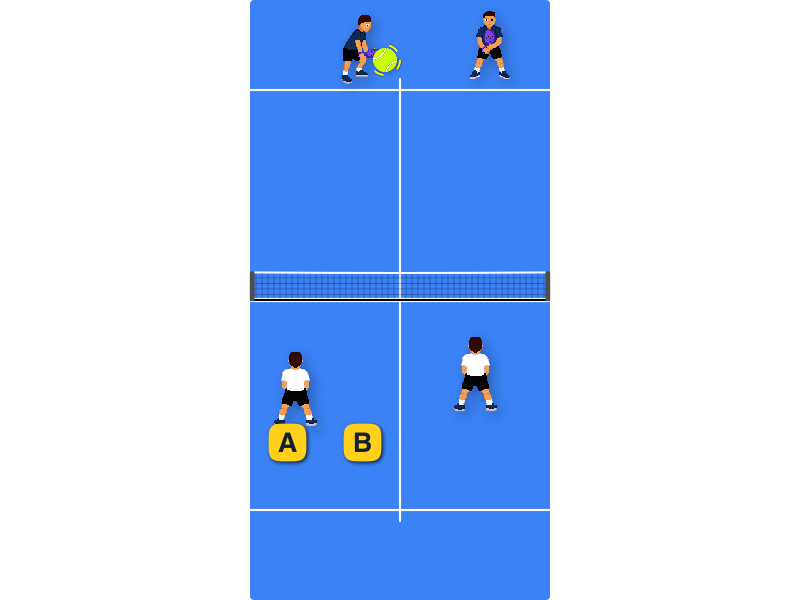
Covering your own side of the court feels like doing your job. So players drift out towards their fence, each guarding their half.
The problem is that padel is not played in halves. Spread out like that, you have quietly opened the biggest target on the court and neither of you is anywhere near it.
Hugging the fence opens the middle
Two players pinned to their own side walls leave a corridor down the centre. It is wide, it is undefended, and it is the easiest ball your opponents can hit.
Then the point ends through the middle and both of you look at each other, because technically it was nobody's ball.
Stay on the same line as the ball
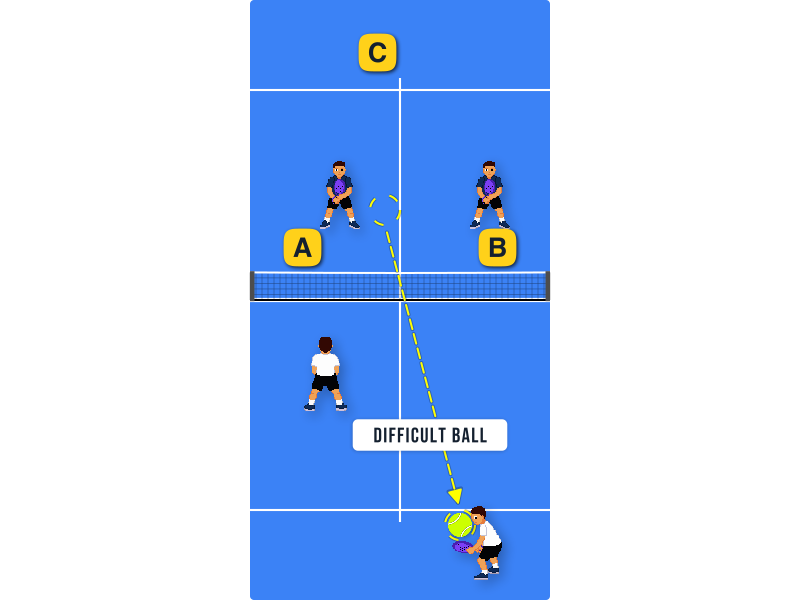
Your position should be driven by where the ball is, not by which half of the court is nominally yours. Move as the ball moves, together.
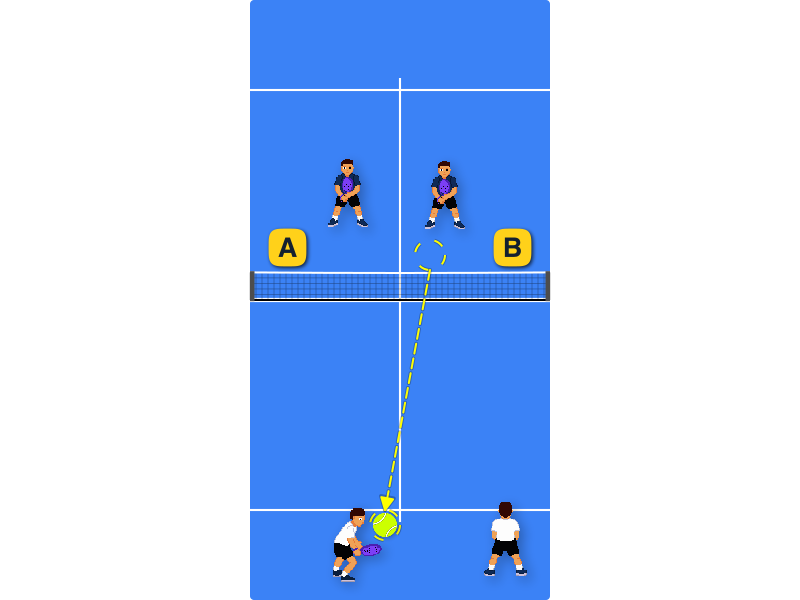
When the ball goes to one side, both of you shift that way. The pair slides as a unit rather than each holding a private zone.
Keep it under four metres
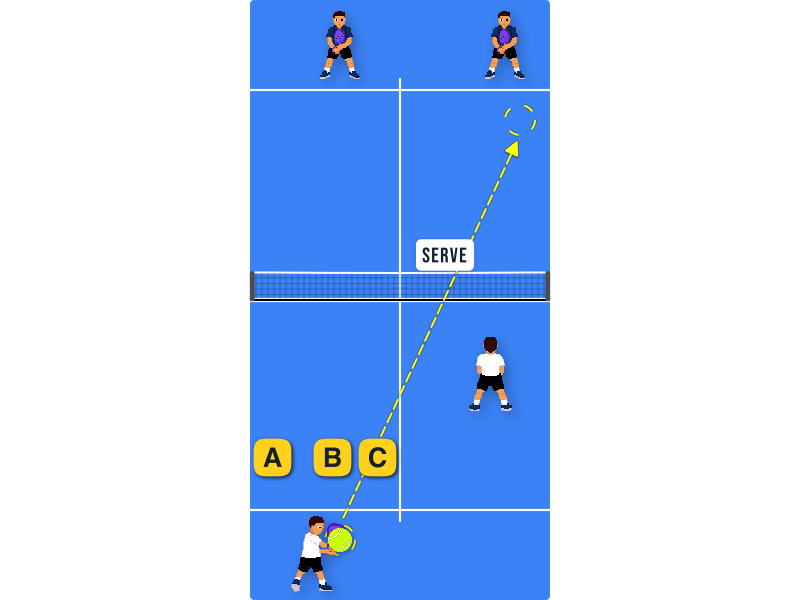
A simple number to hold in your head: less than four metres between you and your partner. Any wider and the gap becomes reachable for them.
Four metres sounds close. It will feel close. That closeness is exactly what stops the middle ball from being free.
And you keep the net longer
The payoff is not just fewer balls through the middle. It is that you stop being broken up, so you hold your attacking shape for more of the point.
Most pairs lose the net one gap at a time. Close the gap and you stay up there.