Step In or Hold at the Net in Padel: How to Read the Ball
You are at the net and the ball is travelling to your opponent. Do you close in and look for the kill, or stay where you are?
Most players answer that from mood rather than evidence. The actual answer is written in the ball you just hit, and specifically in how difficult it is for them.
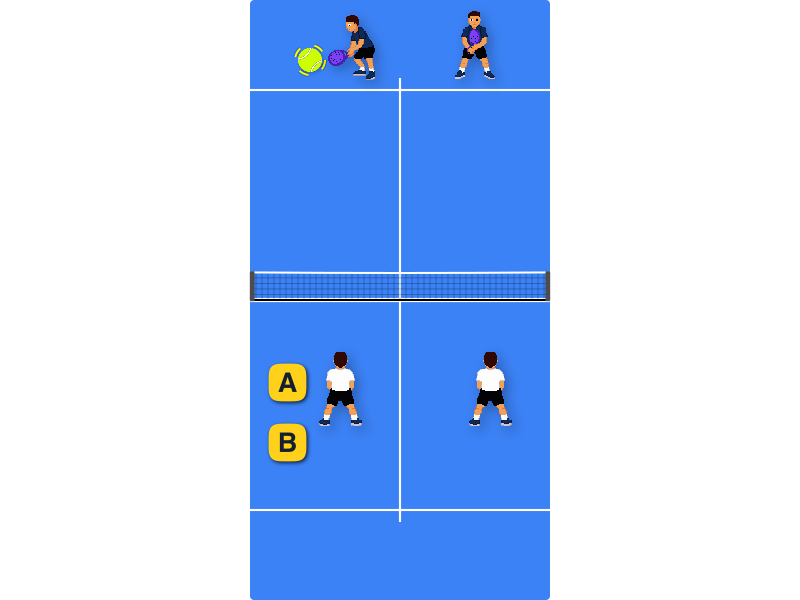
Easy for them? Hold your position
If your ball arrived comfortably and they are balanced with time, they have every option available. Including the lob.
So stay at your normal net position. You are not being passive, you are refusing to commit to an attack that has not been set up.
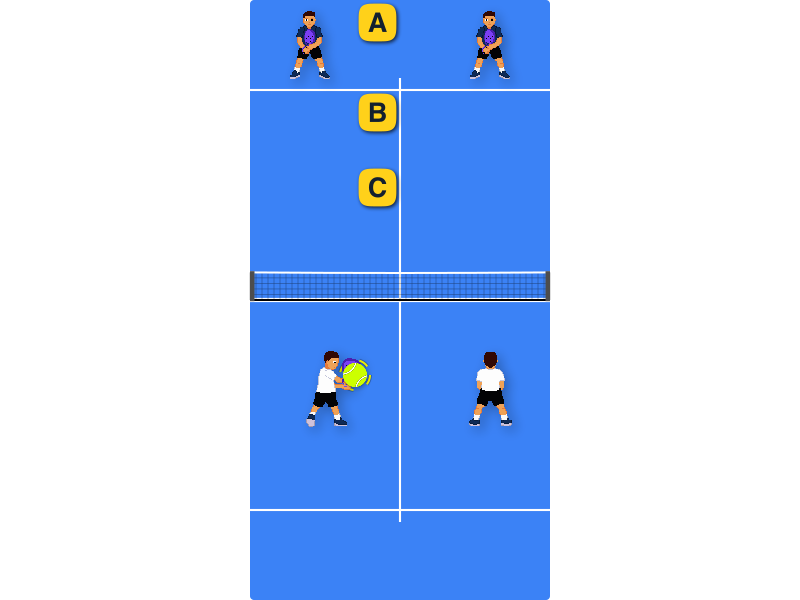
Step in too early and the lob beats you
Close the net against a balanced opponent and you have made yourself the easiest target in padel. The lob goes over your head and you are running backwards.
Worse, you are now out of position for the rest of the point, and the pair who were defending are suddenly attacking.
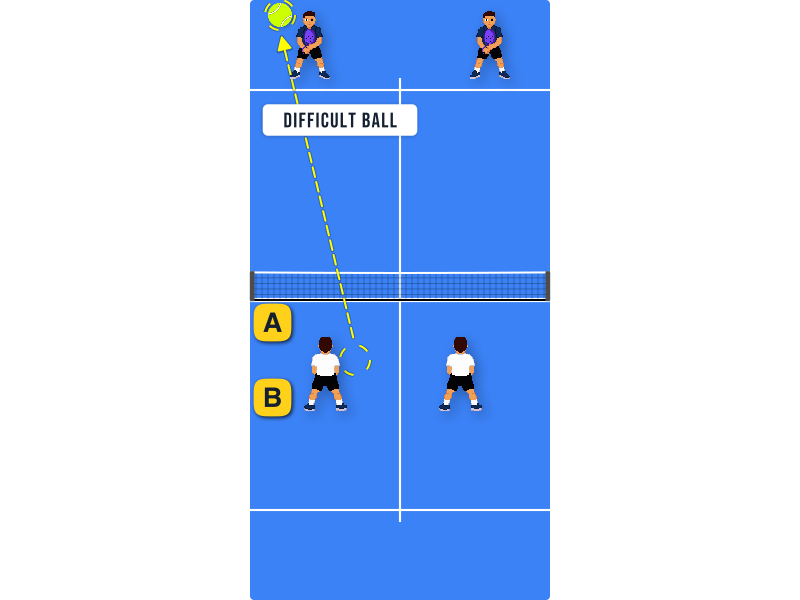
Tough for them? Step in
Now the opposite case. They are stretched, off balance, reaching low or moving. A player in that position cannot lob you well and cannot generate depth.
That is when closing the net is right. The weak reply is genuinely coming, and you want to meet it as early and as high as you can.
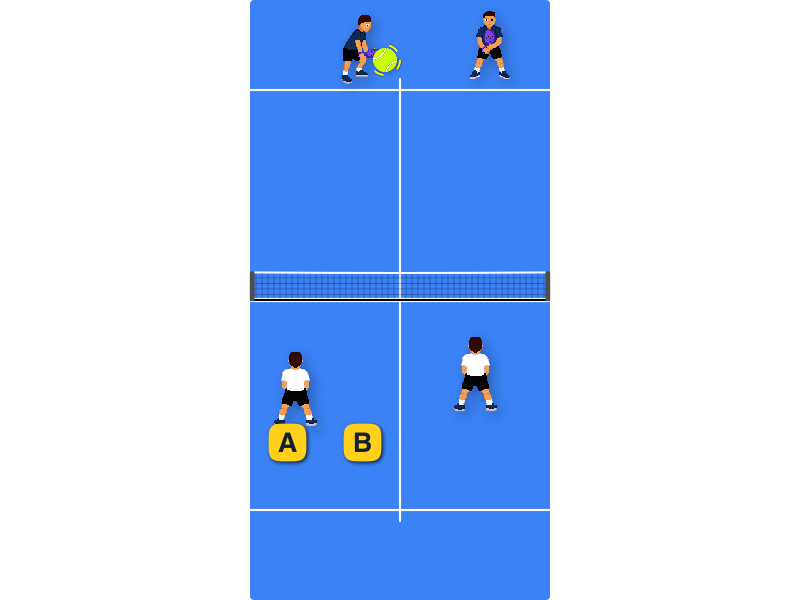
Then punish it properly
Having stepped in, take the weak ball early. Tap the volley into the open space, or drop it short and dead if they are still stuck at the back.
You do not need force. You earned position, and position is what makes the finish easy.
Read them, not your mood
One question before every ball at the net: is this hard for them or not? Hard means step in. Comfortable means hold and split step.
Aggression at the net is not about wanting it. It is about it being available.