The Serve Is a One-Way Ticket to the Net in Padel
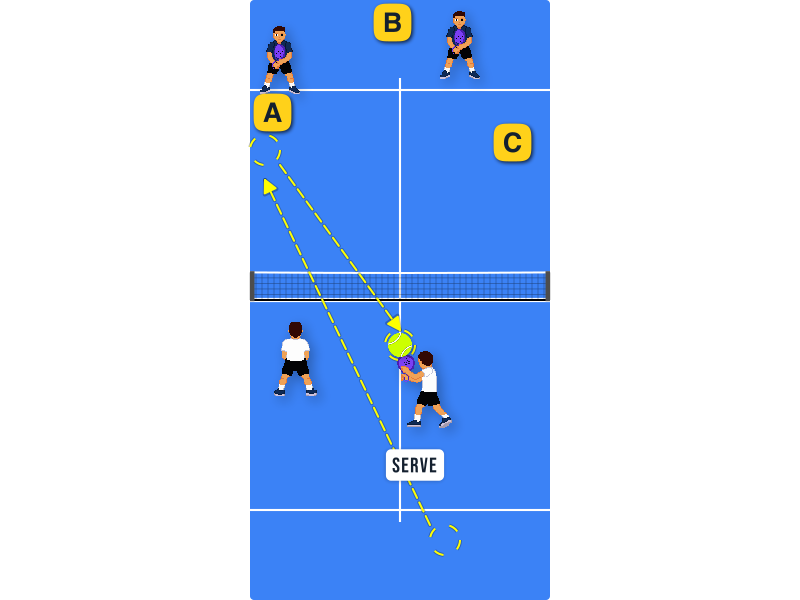
The serve is the only shot in padel you hit completely on your own terms. Nobody is rushing you, nothing is coming at your feet, and your partner is already at the net.
It is also the one moment the net is yours for free. Serving and then staying back throws that away, and it does something worse to your partner.
Staying back gives up the ticket
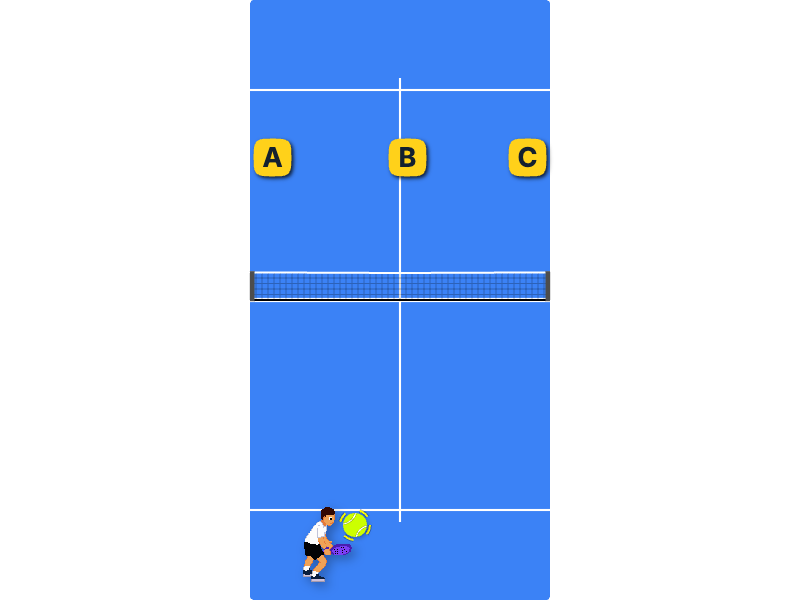
You serve, then hesitate, and settle in at the baseline to see what comes back. It feels prudent.
What you have actually done is decline the free approach. Every other route to the net in padel has to be earned against opponents who are trying to stop you. This one did not.
And it strands your partner
Your partner is already at the net, because that is where the non-serving player stands. If you stay back, the two of you are now split: one up, one back.
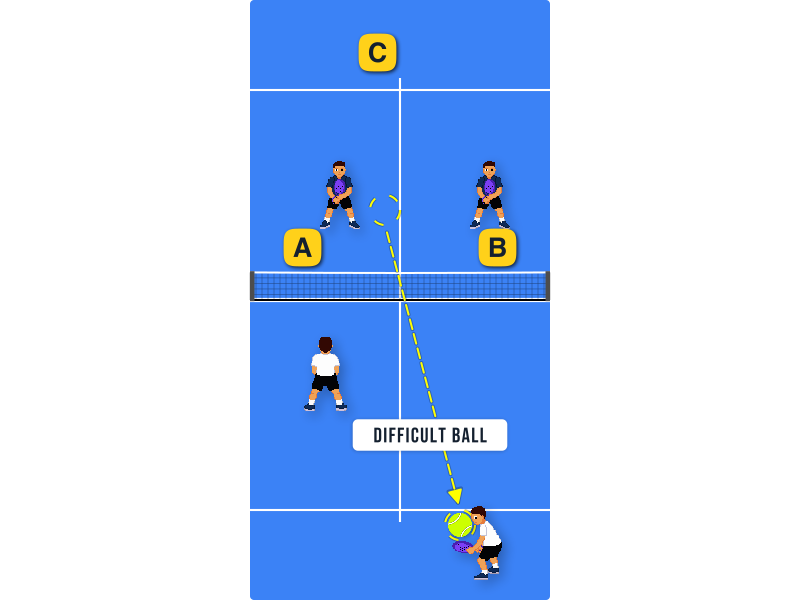
That opens the diagonal lane between you, and your partner is alone against two opponents who can simply play through the gap you created.
Serve, then go up together
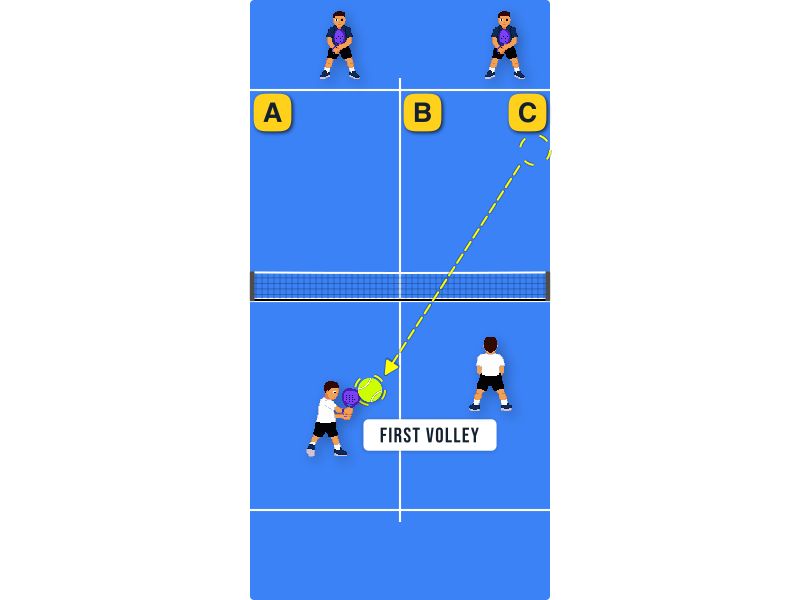
Hit the serve and follow it in. Not a sprint, and not a stop halfway. Move forward and join your partner so you are a line again.
Two of you at the net after a serve is the strongest shape in padel, and it is available on every single service point you play.
Treat it as one movement
Stop thinking of the serve and the approach as two decisions. It is one action: serve and go.
If the return is good enough to stop you, you will find that out on the way. But the default is forward, every time.