Let the Wall Do the Work in Padel: Do Not Rush a Fast Deep Ball
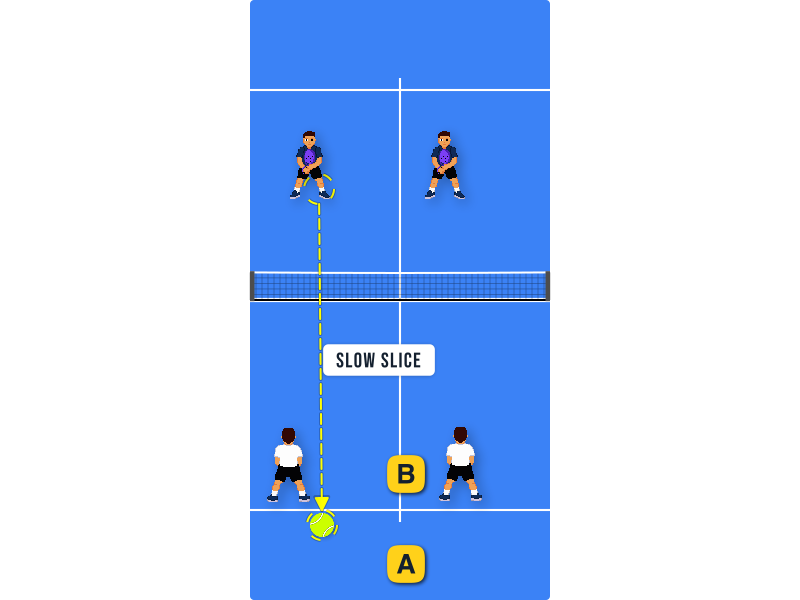
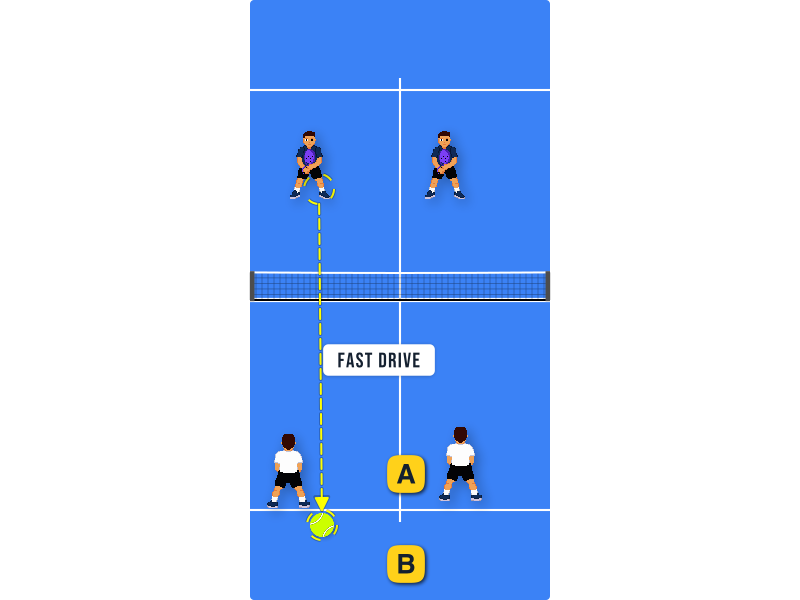
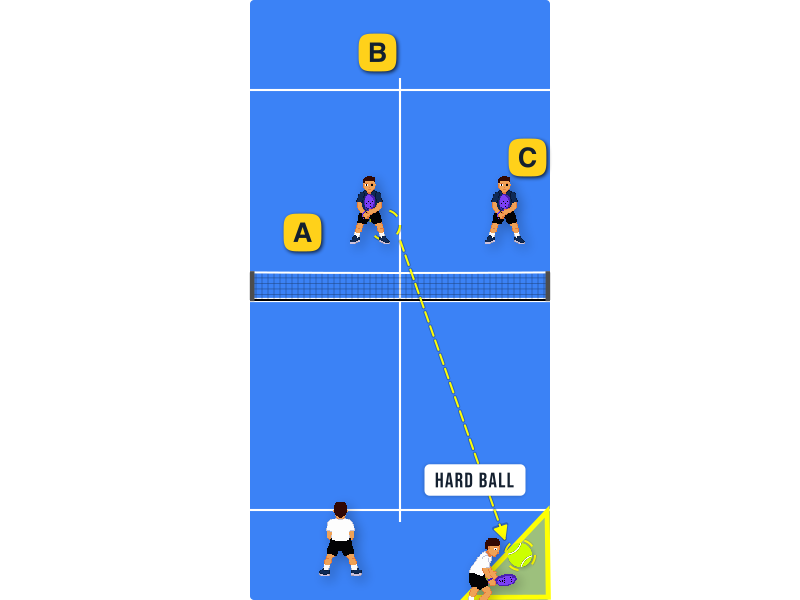
A hard ball comes deep past your service line and the instinct is to do something about it immediately. Get a racket on it, get it back, anything.
That instinct is what turns a manageable ball into a lost point. The back wall is behind you for exactly this situation, and rushing means refusing to use it.
Do not lob it early
Taking a fast deep ball out of the air and trying to lob it means adding your own height to a ball that already has plenty of pace.
Most of those sail long. You gave the point away trying to rescue a ball that was never really in trouble.
Let it bounce and use the glass
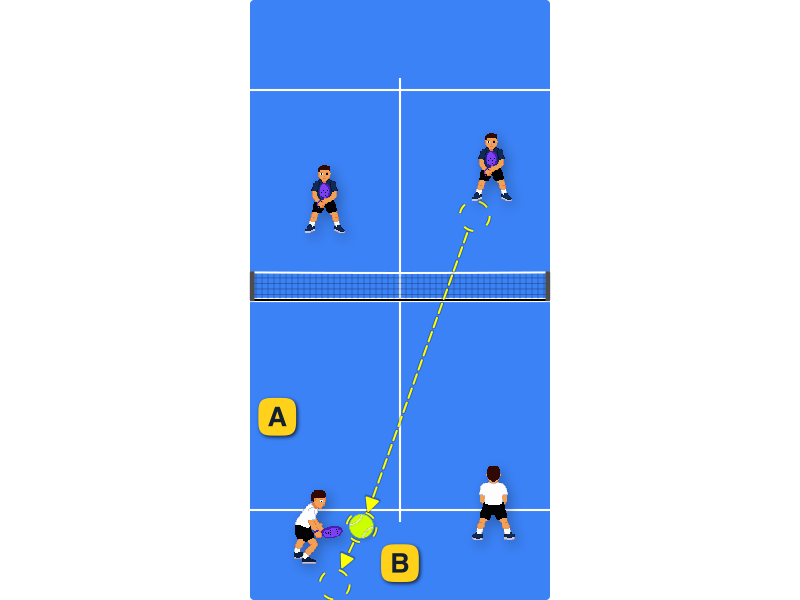
Let it go past you, hit the floor, and come off the back wall. The glass takes the pace out of it and hands it back at a manageable height.
What arrives after the wall is a slower, friendlier ball than the one that came at you. Same shot from them, completely different problem for you.
Then lob it properly
Now play the lob you wanted, from a set position, with a ball that is not fighting you.
It goes deep, it stays in, and it buys you the time to reorganise. That is the shot the original ball was trying to prevent you from playing.
The wall is extra time
Beginners treat the glass as the thing that ends points. It is the thing that gives you time, and time is what you are short of on a fast deep ball.
If it is past the service line and travelling quickly, let it go. Almost nothing is gained by getting there first.