Returning on the Move in Padel: Play It Parallel, Not Crosscourt
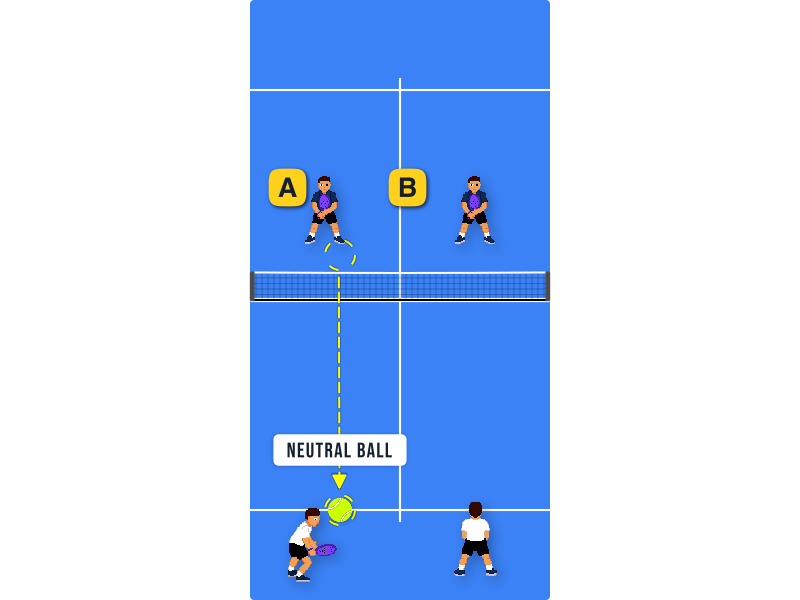
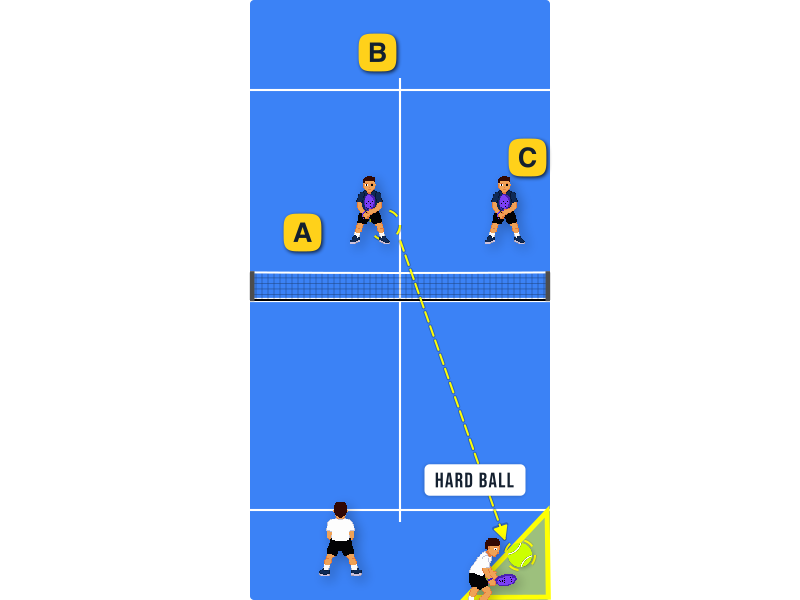
They played you out towards the fence, you are still moving, and you have to do something with the ball. In that split second most players go crosscourt, because crosscourt is the default answer to most things in padel.
Here it is the wrong one, and for two separate reasons.
The crosscourt is hard from there
Hitting crosscourt while moving away from the court means playing the longest ball on the court from the worst possible balance.
It has to clear the highest part of the net and land in the furthest corner, and you are producing it off the wrong foot. The margin is thin and you have no control over it.
And it opens the gap behind you
The second cost is positional. While your crosscourt travels all the way across, you are stranded out wide with your own side wide open.
Even a decent crosscourt gives them time to attack the space you just left. You solved the immediate problem and created a bigger one.
Play it parallel instead
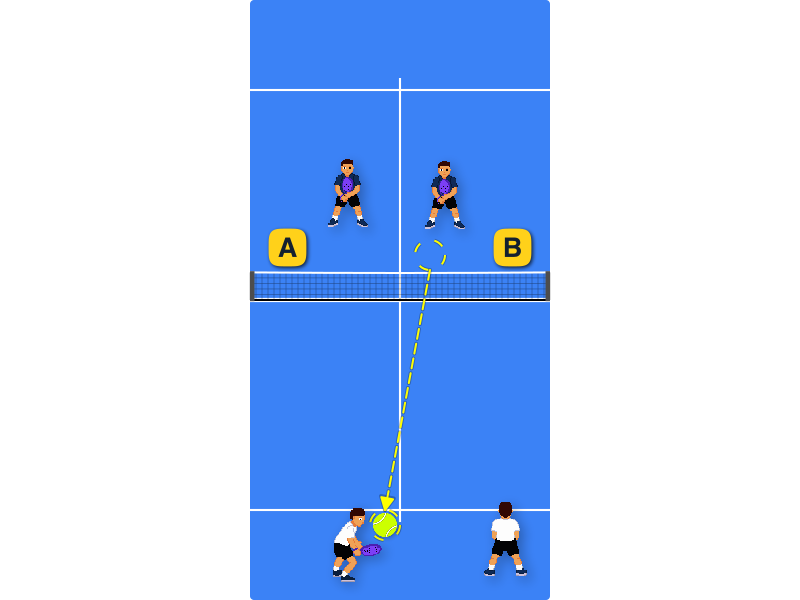
Parallel is the shortest ball available, which means the least that can go wrong with it while you are off balance.
It also keeps the rally on the side of the court you are already standing on, so you are not asking yourself to recover across the whole width.
Balance decides the line
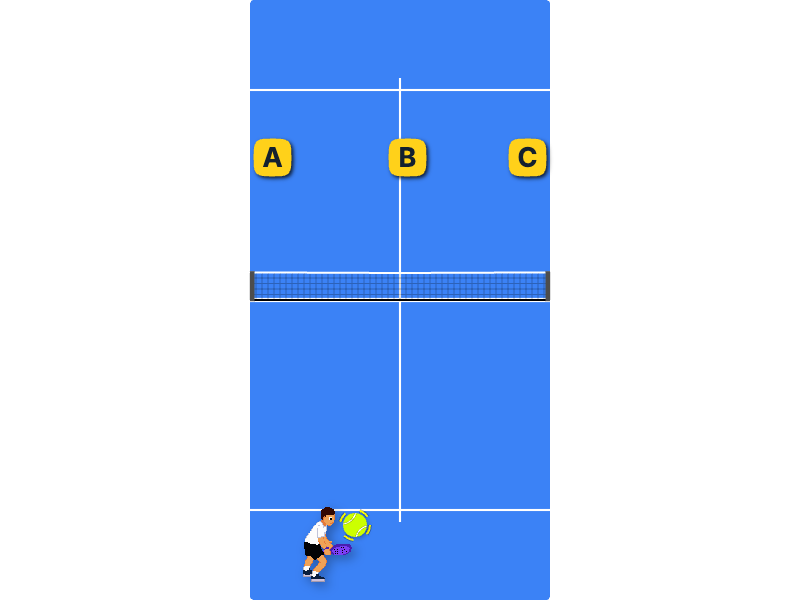
The rule is not that parallel beats crosscourt. It is that crosscourt needs balance you do not have when you are running.
Set and comfortable, take the crosscourt. Stretched and moving, go parallel and live to play the next ball.