Who Calls In or Out in Padel? Let the Receiving Pair Decide
Every amateur match has this moment. A ball lands near a line, somebody shouts, somebody disagrees, and a good rally turns into an argument nobody enjoys.
There is a simple convention that removes almost all of it, and it is not about being generous. It is about who can actually see.
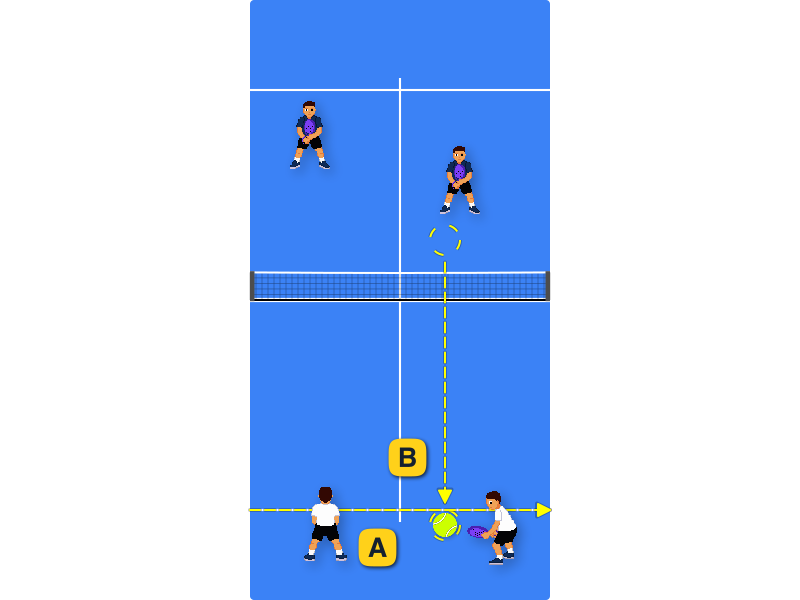
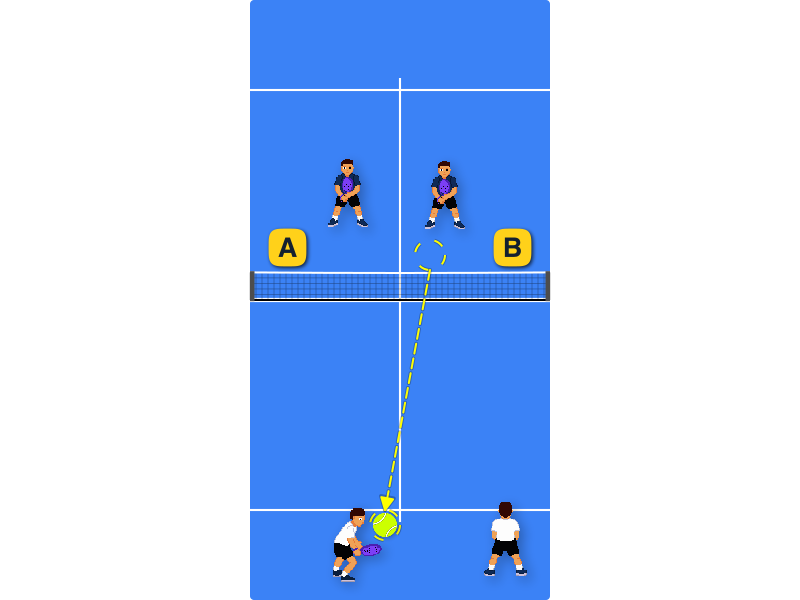
The call belongs to the pair receiving it
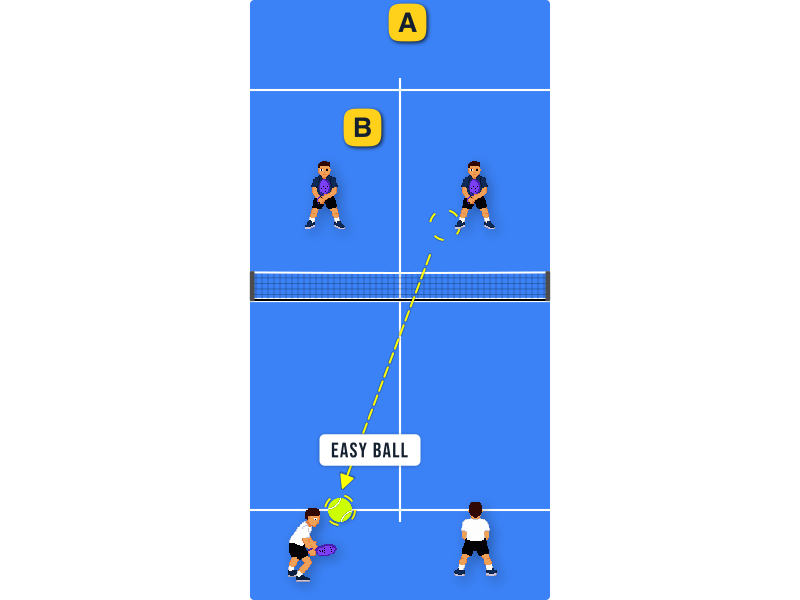
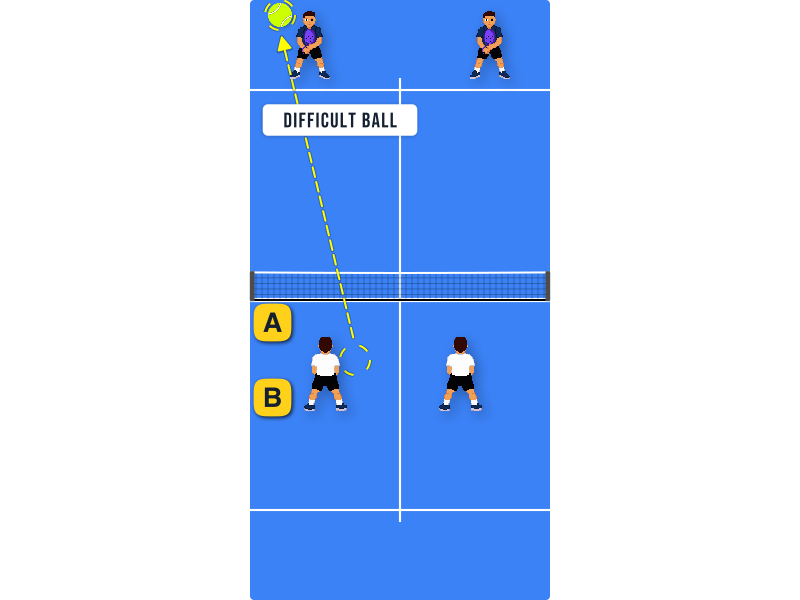
Whoever the ball is landing near has by far the best view of it. From the other side of the net you are looking at the bounce from distance and at an angle, which is exactly how honest people end up sure of opposite things.
So the rule is simple: the receiving pair makes the call on their own side. Not because they are more trustworthy, but because they are closer.
Never stop the point yourself
The mistake is stopping play because you think it was out. The moment you stop, the point is effectively over, and if you were wrong you have simply given it away.
You cannot un-stop. There is no version of that decision where guessing wrong works out for you.
Play on instead
If you are unsure, keep playing. Costs you nothing. If it really was out, the other pair will call it and the point stops anyway.
You lose nothing by continuing, and you avoid handing over points and creating arguments at the same time.
Stop when you hear the call
If they call it out, that is the end of it. Accept the call, take the point, and move on.
Get this habit right and the arguing mostly disappears from your padel. Which matters, because the people you are arguing with are the people you want to keep playing with.